15 Up-And-Coming Robot Vacuum Cleaner Bloggers You Need To Keep An Eye On
How to Properly Clean a Robot Vacuum Cleaner Unlike conventional vacuum cleaners, robots don't have unwieldy cords to wrangle or clog up with pet hair. Instead, they're small and can be run using a smartphone app or physical remote. They are low-maintenance and require just a dust bin to be emptied and the sensors or cameras to be cleaned often. They are also very intelligent and can map out your home and create cleaning pathways that do not cross over staircases or walls. You can scrub your entire floor while you're away. Find a robot that has multiple sensors, mapping technology and other features that allow it to sweep your floor automatically while you are away. These features help the robot find its way to your home, and they may be more effective at capturing dirt and pet hair than the basic models that use the rotating brush. You can also program them to return to their docking station when they've finished cleaning. Some robot vacuums are equipped with cliff sensors to prevent them from falling down steps. Some high-end robotic systems can create maps of your house, which will help you create an organizing schedule for cleaning and changing rooms. They can also be programmed to clean a specific area or room with the click of the button, and they often have a feature that allows you to set no-go zones that the robot will not even try to enter – ideal if you have teenagers who leave their clothes all over the floor. They are designed to work in a quiet manner and not cause disturbance to the peace of your home. Robots thrive in spaces that are clear, with bare floors and low-pile carpeting. They can sometimes get confused by patterned or textured carpets, and they may require more power to navigate across thick pile. This can cause them lose battery power before returning to their dock, so you may be required to keep an eye on them. Similarly, they can become lost in a corner or on a staircase and you may have to clear off some furniture for them to move through. A good quality robotic vacuum cleaner can make a huge difference in how your home appears and feels. It is able to capture dirt, crumbs, and shedding pet hair on hard surfaces such as wood or tile floors. it can also suction up watery spills or rug fringe. Most models have built-in dirt bins that does not require emptying manually. Some have an automatic dirt detection system and can even mop your floors. Preparation is key to preventing robotic cleaners from getting stuck in furniture or on cords. You can minimize these issues by picking up small objects and placing loose furniture and cords away. Additionally, you can keep your robot tidy and hygienic by regularly cleaning its dustbin and wiping down its charging contacts and sensors with a clean cloth. It can be used to clean difficult-to-reach areas A robot vacuum cleaner is able to clean difficult-to-access areas of your home, including corners and under furniture. It can also assist you to keep cobwebs off your home. It's not as powerful as a vacuum cleaner, but it can do a great job at cleaning dust and dirt particularly on low-pile or hard flooring. It is crucial to keep your robot clean to ensure it functions as efficiently as is possible. First, remove any small objects that could be caught in the brushes. This includes pet hair clumps or metal screws. Then, clean the wheels and swivel head to ensure they are free of any debris. It is also important to empty the bin and wash it. Not to mention clean the sensors and charging contacts. A robotic vacuum can be a fantastic instrument for removing wet spills and messes. Its shape and size make it easy to fit into tight spaces, meaning you can clean even the smallest of crevices. It's also simple to use, and most models have a remote control with the ability to use directional arrows to select the specific zone you wish to be cleaned. The most advanced robots are equipped with technology that lets them sense their surroundings and avoid obstacles. This means they won't smack into furniture or fall down steps, and they won't snag on electrical cords. In addition, some models can be programmed to create a cleaning schedule, designate an area or room, and connect to voice assistants. The majority of robots have different maintenance requirements, so it's important to check the user manual to determine which one is best suited to your requirements. For example, some robots require that you clean their bins or filters after each cleaning session while others require more frequent replacement. Some robots also come with a HEPA-filter for better allergen removal. 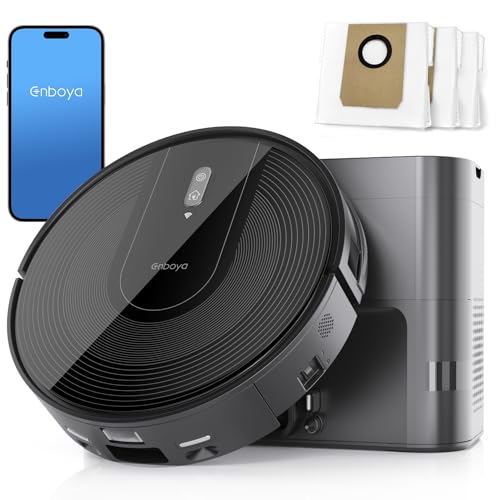 Most robots aren't loud enough to disrupt your daily life, but you should be sure you can afford one that is quiet enough for your requirements. The robot should emit not more than 80 decibels. This is not louder than the sound of a motorcycle with an exhaust Muffler. It can clean the stairs. If you have stairs in your home and you have a robot vacuum cleaner, it can keep them clean. Robots can walk up and down staircases with ease and thoroughly clean them. This can help you save time and effort, and will also lower the chance of injury from excessive bending and lifting. It also helps you maintain a regular cleaning schedule, making sure that your stairs are in good shape. When you are choosing a robotic for stair cleaning be sure to choose a model that has intelligent features for navigation and mapping technology. These features can assist the robot in avoiding obstacles and prevent it from falling off the stairs or getting stuck. Remove any large objects before you begin cleaning. This will ensure that the robot doesn't become stuck or cause damage to any objects. It's also crucial to check and maintain your robot vacuum. Make sure they're free from hair tangled in knots and other debris that could block the machine. Be sure to examine the wheels as well as any other components for wear. These items can extend the robot's life. Robots can clean hardwood and carpeted staircases, making them a great option for homeowners with a a mix of floor types. You can also customize the cleaning of your robot to meet different circumstances. You can, for example set the robot up to automatically vacuum every second step or use its hose only when it detects carpeting. This feature allows you to keep your stairs tidy and clean staircase, without compromising the rest of your house. A robot can save you time and prevent back and neck pain. This is particularly helpful for the elderly and those with mobility problems. The robot is also able to prevent tripping hazards caused by bulky and heavy manual vacuums. It can also be utilized as a substitute for mop or broom in cleaning areas that are difficult to clean. This innovative device uses an arm that is robotic and three ducted fans to ascend the stairs. The design is in the stage of patenting but it could revolutionize the process of stair cleaning. robot mop 's a great device for homes that have multiple levels, and could transform the market for robotic vacuums. The company that manufactures the device is expected to put it on the market soon. It can clean the corners A robot vacuum cleaner can clean the corners of your room quickly and easily. It has side brushes which spin to direct dirt and debris to the main brush system and suction system. The brushes are also angled to aid the robot reach corners and other edges. You may have to empty the dustbin and clean the brushes every now and then to prevent them from getting clogged by pet hair and other debris. You can also use a dry cloth to wipe the anti-drop sensors and charging contacts on the robot to keep it working properly. The majority of robot vacuum cleaners have sensors that detect obstacles and avoid them. They can be programmed to clean specific rooms or areas of the house. Some robots are equipped with a laser or camera that allows them to map the home and pinpoint areas of concern. The robot can then use this information to plan the next cleaning session. Robot vacuums are an excellent way of saving time and effort. However they're not completely safe. Despite their incredible intelligence and sensors, they can still get stuck in furniture or on thresholds for doors. They can also get caught on cords, shoelaces, and chargers for phones. While these problems are rare but they can be a nightmare on your floor and require a lot of detangling. Additionally, most robot vacuums aren't affordable. They may even be more expensive than a traditional vacuum. They also require to be cleaned more often because they contain more moving parts. They are more likely to break than a standard vacuum and their warranties are typically shorter. Regardless of their shape regardless of their shape, the majority of robot vacuums are able to reach the corners in your home. The sides of the robot are equipped with long, spinning brushes that move debris and dirt into the main suction system. These brushes can also reach behind chairs and tables to clean hard-to-reach areas. But, be certain to remove any obstructions, like long cords or curtains before letting the machine clean your house. It is also important to clean the corners and other areas of the room frequently to avoid them becoming blocked.